Health Alert:
Sepsis-Related Atrial Fibrillation Linked to Higher Death and Stroke Risk.
An umbrella review of 15 systematic reviews and meta-analyses involving more than 3.3 million patients found that about 1 in 8 people with sepsis, a life-threatening condition caused by the body's overwhelming response to an infection, developed new-onset atrial fibrillation, a common heart rhythm disorder. This combination is associated with a 17% higher risk of ischemic stroke and about twice the risk of early death.
Journal of Infection, July 2026
Diet:
Food Additives May Affect Gut Health Over Time.
A review of recent research found that cumulative exposure to food additives from ultra-processed foods—artificial colors, artificial flavors, preservatives, emulsifiers, stabilizers, sweeteners, and flavor enhancers, for example—has been associated with unfavorable changes in the gut microbiome, impaired metabolic function, and chronic low-grade inflammation.
Frontiers in Public Health, June 2026
Exercise:
Improving Frailty May Lower Risk of Stroke.
Physical frailty is an age-related syndrome characterized by decreased strength, endurance, and physiological reserve that increases vulnerability to falls, disability, hospitalization, and other adverse health outcomes. In a study of nearly 20,000 older adults, those whose frailty worsened over two years had a higher risk of stroke, while those whose frailty improved had a lower risk.
Archives of Gerontology and Geriatrics, July 2026
Chiropractic:
Type 2 Diabetes and Carpal Tunnel Syndrome.
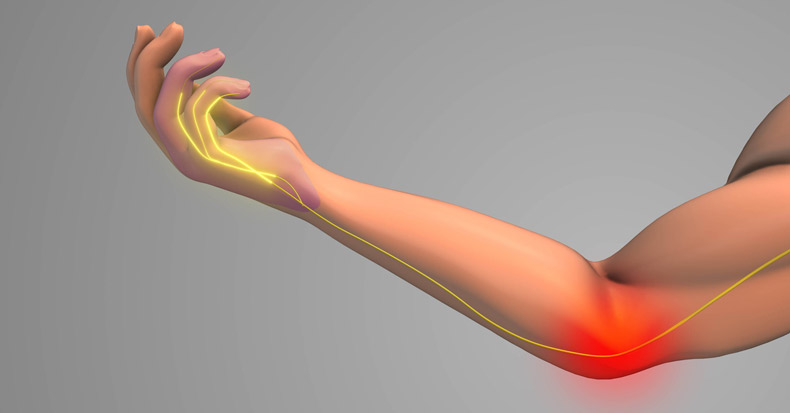
Carpal tunnel syndrome (CTS) is a condition in which the median nerve becomes compressed as it passes through the wrist, causing pain, numbness, tingling, or weakness in the hand. In a study of 123 adults with type 2 diabetes, poorer blood sugar control was associated with more severe CTS symptoms.
International Journal of Molecular Sciences, May 2026
Mental Attitude:
Mental Health Challenges Common in College Students.
In a study of 405 university students, 57.3% reported anxiety symptoms and 26.4% reported depression symptoms. Further analysis revealed excess body weight, low physical activity, and eating fewer than five daily servings of fruits and vegetables are each associated with an increased risk of mood disorders in early adulthood.
Frontiers in Nutrition, July 2026
Wellness/Prevention:
Low Vitamin B12 Linked to Higher Dementia Risk.
New research suggests adults with consistently deficient vitamin B12 levels (below 200 pg/mL) may have up to a 64% increased risk of developing dementia in the following decade.
Frontiers in Nutrition, July 2026